Indonesian translation of a SiliconANGLE article by Jason Bloomberg Mengingat pertumbuhan pesat yang ditunjukkan oleh UiPath Inc., pemimpin dalam otomatisasi proses robot, selama beberapa tahun…
Italian translation of a SiliconANGLE article by Jason Bloomberg Data la rapida crescita che il leader dell’automazione dei processi robotici UiPath Inc. ha dimostrato negli…
SiliconANGLE article by Jason Bloomberg Given the rapid growth that robotic process automation leader UiPath Inc. has shown over the last few years, it’s no…

Intellyx BrainBlog for Kasten by Veeam, in The New Stack Enterprises that depend upon software innovation and massive scalability for success are inevitably among the…
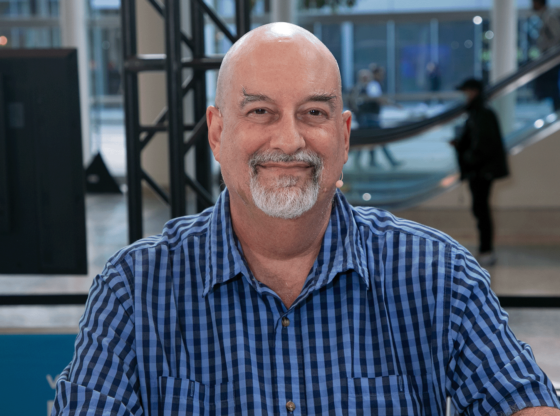
Chinese translation of a SiliconANGLE article by Betsy Amy-Vogt 这是一个受欢迎的补充,它总结了在一个组织内管理多个云供应商的问题。 VMware 声称正在通过专注于多云管理来解决这个问题,并以最近的 VMworld 事件的纯云原生信息为中心。 “从 VMware 的角度来看,你可以将他们的虚拟机技术放在任何云中,”Intellyx LLC 的创始人兼总裁 Jason 彭博社(如图)说。 “因此,如果你这样做并将其放在多个云中,那么你就会拥有这个共同熟悉的环境。 到处都是 VMware; 它位于哪个云中并不重要,因为你可以获得…
By Betsy Amy-Vogt The recent VMware Explore event brought the term “cloud chaos” into the information technology lexicon. It was a welcome addition that summed…

Russian translation of The New Stack article by Jason Bloomberg Различия между защитой данных в Kubernetes и традиционными предложениями выходят за рамки собственно защиты данных, подчеркивая ключевые преимущества…

French translation of a SiliconANGLE article by Jason Bloomberg Les professionnels de la cybersécurité ont rempli le Mandalay Bay Convention Center à Las Vegas la…
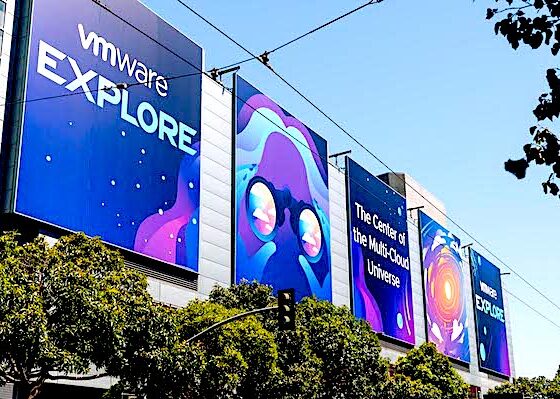
At Explore, VMware cedes cloud-native ground for multicloud – but it’s still firing on all cylinders
Article for SiliconANGLE by Jason Bloomberg Historically, VMware Inc.‘s VMworld conference was one of the big three enterprise tech conferences, along with the RSA Conference and…
Turkish translation of a SiliconANGLE article by Jason Bloomberg Siber güvenlik uzmanları, geçen hafta Las Vegas’taki Mandalay Bay Kongre Merkezi’ni yıllık Siyah Şapka ABD confab, COVID öncesi…